
ANGOLANISATION IN PRACTICE: BUILDING TECHNICAL CAPABILITY THAT LASTS
Local content is one of the most quoted requirements in Angola’s oil and gas contracting, and one of the least consistently delivered. The issue is not ambition; it is measurement. Too often, success is counted at mobilisation rather than in the competence that remains years later.
WHAT THE NUMBERS MISS
A headcount ratio only tells you who was hired. It does not show whether the right competencies were transferred, whether supervisors were developed, or whether knowledge remained embedded after expatriate support stepped away.
Operators need a more practical definition of local value: qualified people, clear pathways, and visible evidence that national teams can sustain delivery.
- Track certification validity and role readiness, not just headcount.
- Measure progression into senior, specialist and supervisory roles.
- Record handover checkpoints and competence sign-offs.
- Review retention after the first contract cycle.
TREAT CAPABILITY AS AN ASSET
The shift is straightforward. Define the required competence for each role, map the training and supervised experience needed, and administer the process with the same discipline used for technical assets or project controls.
When capability is treated as an operational asset, local content becomes more than compliance; it becomes a route to better continuity, lower dependency and stronger in-country delivery.
WHAT THIS LOOKS LIKE ON A CONTRACT
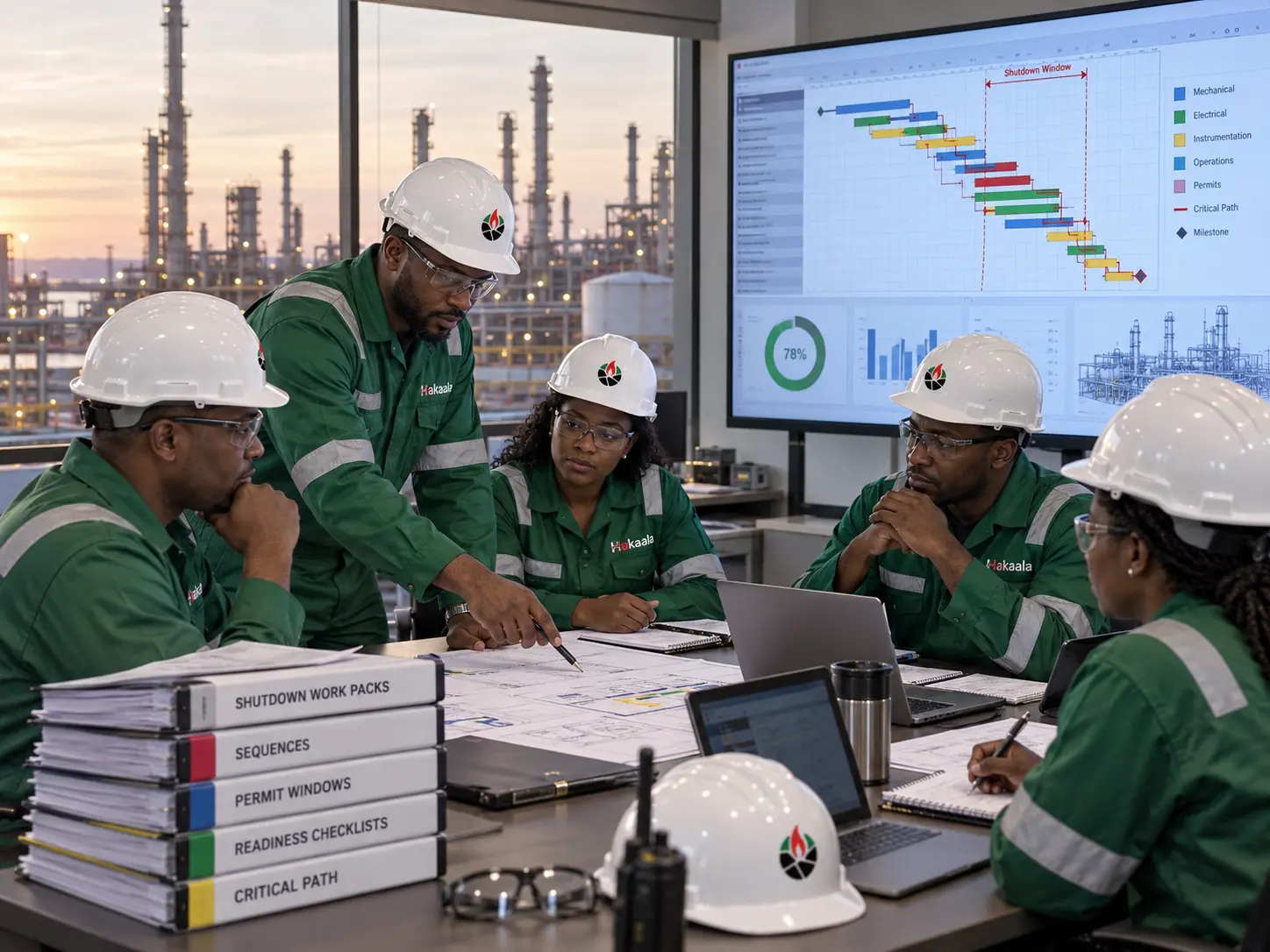
On manpower and operations scopes, mobilisation plans should distinguish between immediately deployable roles and development-track roles. On maintenance, inspection and logistics work, pair deliverables with coaching plans, competency evidence and documented knowledge transfer.
The end goal is simple: leave the contract with more capability in place than when it started.

The objective is not to fill a reporting cell. It is to leave behind capability that can carry the next scope with less dependency.