CRUDE OIL TANK CLEANING: CLOSING OUT THE WASTE STREAM
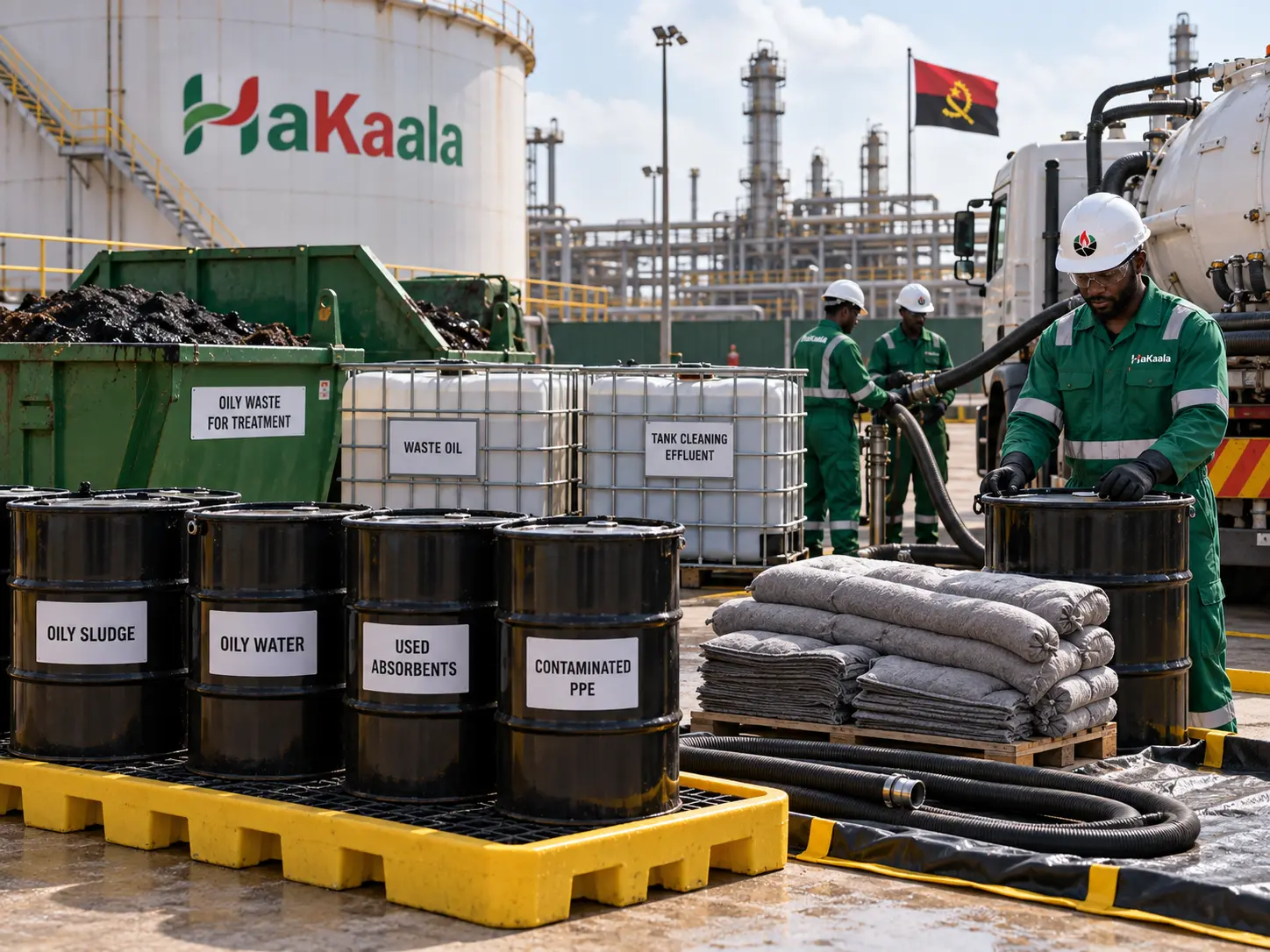
Tank cleaning is often judged by access and cleanliness alone, yet the waste stream is just as critical. Sludge, recovered liquids and contaminated materials all require controlled segregation, routing and documentation.
PLAN THE WASTE ROUTE EARLY
Waste management should be built into the scope at the same time as cleaning methods, manpower and isolation planning. Without a defined route, materials can accumulate on site and extend close-out risk.
Containment, transport and disposal responsibilities should be clear before work begins.
- Define waste categories and temporary storage points.
- Match hoses, vacuum units and containment to expected volumes.
- Confirm approved off-take and disposal arrangements.
CONTROL THE WORK AREA
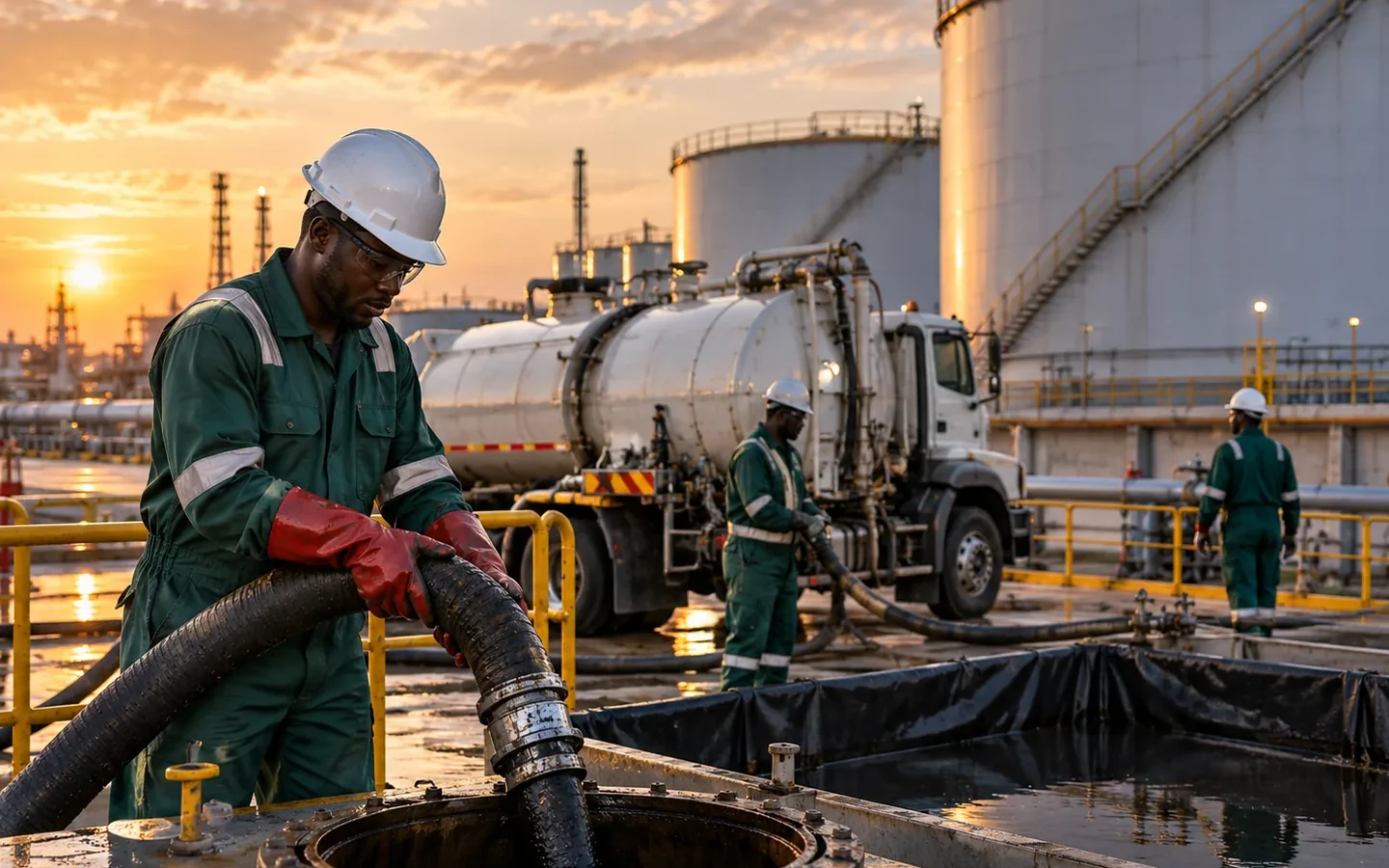
Tank cleaning creates interface risk between confined-space work, pumping operations and waste transfers. Good barriers, hose management and supervision are essential to protect people and prevent spills.
Routine checks during the job help maintain both safety and environmental control.
CLOSE OUT WITH EVIDENCE
A complete scope should include records of volumes handled, transfer routes, disposal confirmations and workfront condition at handover.
These details are what convert a cleaning job into a defensible, well-administered operation.

If the waste stream is unclear, the scope is not finished, even if the tank is clean.